

Scan With Caution: Protect Yourself From Fraudulent QR Codes
| Published: Tuesday, October 6, 2026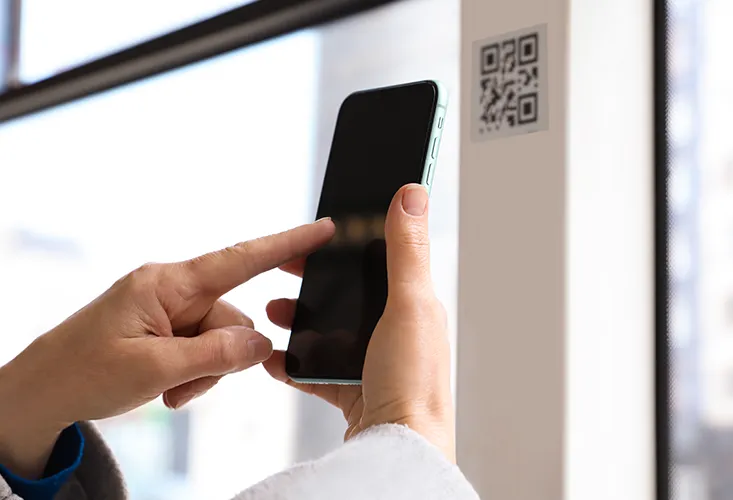
From exchanging money to marketing campaigns, QR codes have become a convenient way to access information, make payments, download apps, and more. As their popularity grows, scammers are using them to steal personal information.
Cybercriminals can create fraudulent QR codes that direct users to fake websites, malicious downloads, or other scams designed to collect sensitive data. While QR codes aren’t inherently dangerous, taking a few simple precautions can help you avoid becoming a victim.
Here are three smart habits to follow before you scan!
Rule 1: Unlabeled QR Code? Don’t scan!
If you come across a standalone QR code with little or no context, it could be a red flag.
While it might lead to a funny video or cool website, it could also direct you to a fraudulent site designed to collect your personal or financial information.
Even QR codes that go to legitimate-looking websites can be dangerous, so before scanning, make sure you understand who created the QR code, where it came from, and what it’s intended to do.
Rule 2: Always verify the source
Always verify the person or organization behind the QR code before scanning.
Whether you’re visiting a vendor booth, attending an event, or seeing a QR code posted in a public space, take a moment to verify its source before pulling out your device. Consider visiting the organization’s official website directly first if you’re unsure.
When in doubt, don’t scan it! It is always better to find the linked information through other means than to have your personal information stolen.
Rule 3: Make sure you're scanning the original code
A common QR code scam involves placing a fake QR code sticker over a legitimate one. This tactic, known as sticker tampering, can redirect users to fraudulent websites without them realizing it.
Try scratching around the QR code or examining the poster closely before scanning. Does it appear altered, damaged, or placed over another code? If something looks off, avoid scanning and look for other ways to access the information.
Don’t let a scan cost you
By staying aware of common warning signs, verifying sources, and checking for signs of tampering, you can help protect your personal information and reduce your risk of falling victim to a QR code scam.
Remember, a few extra seconds now could save you a lot of hassle later on.
The opinions voiced in this material are for general information only and are not intended to provide specific advice or recommendations for any individual.